
White Geraniums
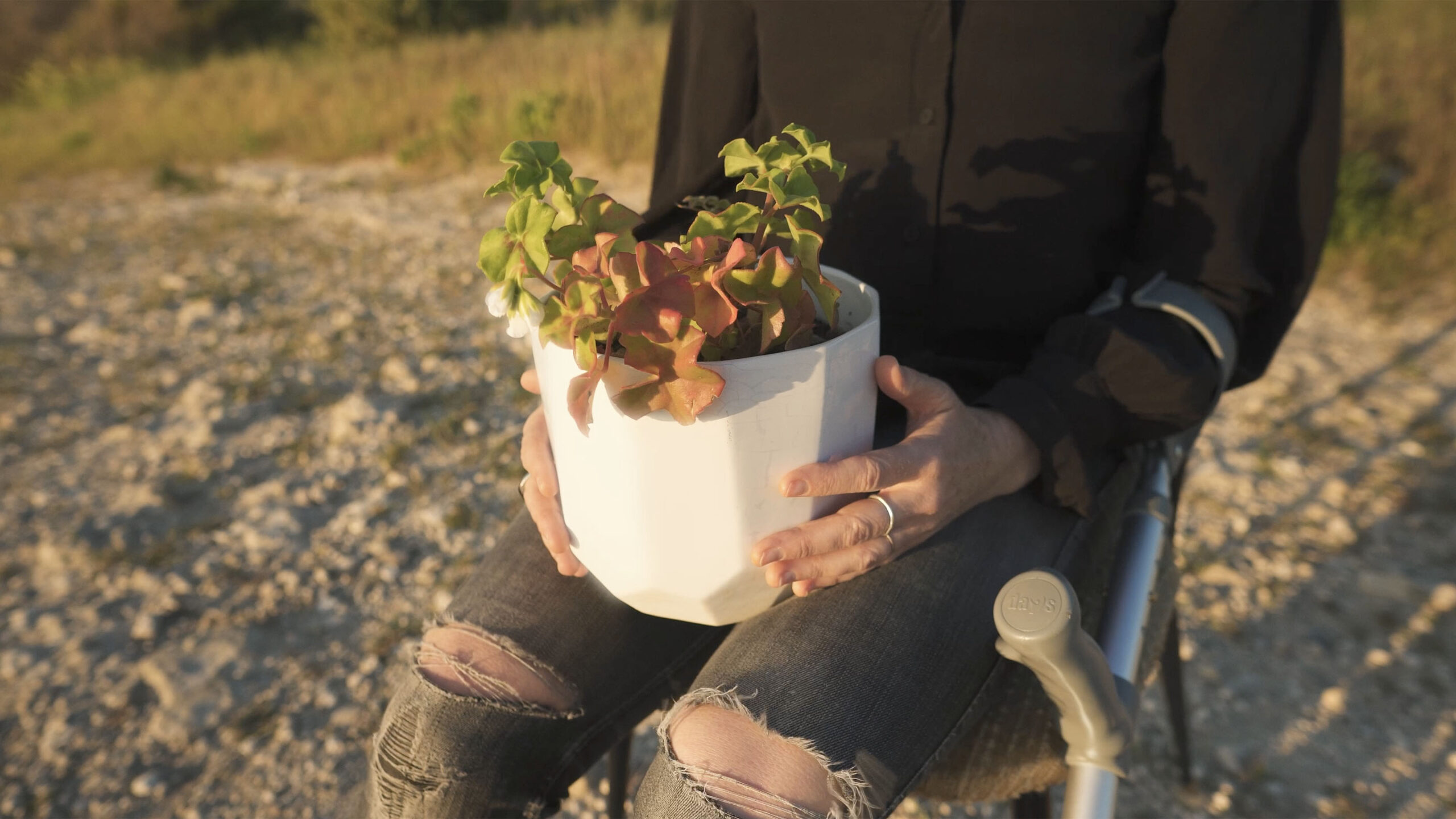
There are no neat endings, and nothing stays fully closed. Traces of our past mingle with the present: a happy birthday inscription from an ex on the first page of a book you need to reference; a kitchen knife going blunt because they took the sharpener and you keep forgetting to buy a new one; the pair of earrings they bought you made of brown sea glass –
My song ‘White Geraniums’ is about sitting in pain, respecting it, making peace with it, looking at it from many sides in the hope that understanding might inform healthier, more grounded future choices. It’s a song about loss too. And letting go. It’s personal, clearly – a breakup song at the end of the day – but it also speaks to broader ideas and collective behaviours: lines drawn between the individual, the collective, the political – they’re inextricably bound, for me at least…
I removed two dead blowies from the ivories before playing Edna Nottle’s old piano at the Bulyee Hall just outside of Corrigin, Western Australia. Edna Nottle: What a name! The piano was in tune enough to use for the show but when I pressed down on some of the keys, I had to help them back up again. It’s barely been used since she passed away about 60 years ago.
Bulyee Hall doesn’t exist on Google maps; you need directions from a local. It was one of the 18 halls I played on a regional Western Australia tour called ‘Festival of Small Halls’ in August 2025. Like all the halls, there were stories in the walls.
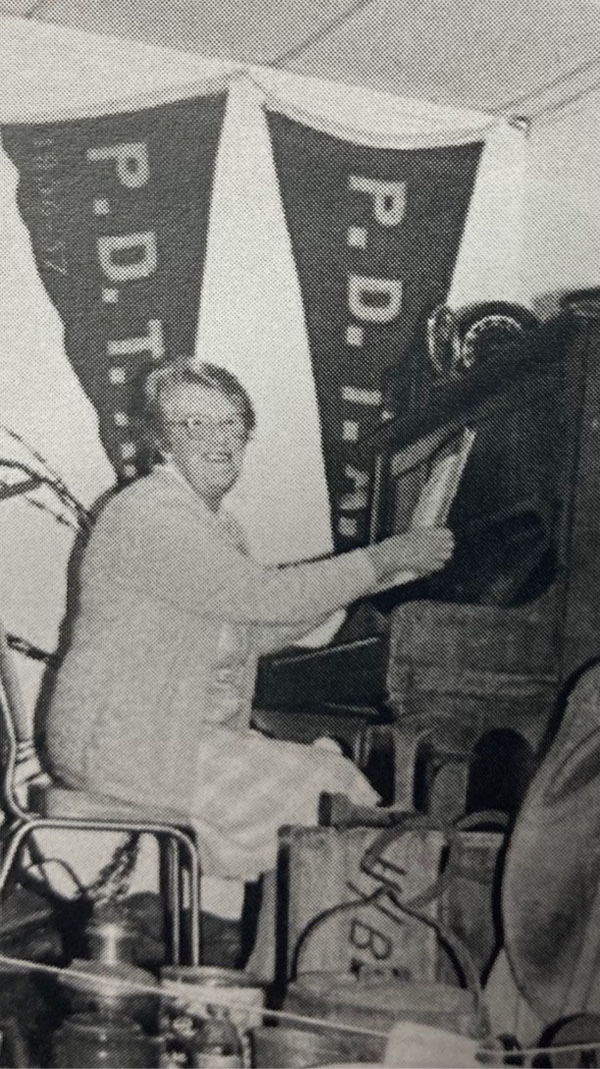
Edna used to lead the old dances at the hall on Friday nights: The Pride of Erin, Gay Gordons, the Gypsy Tap… I got a thank you card from one of the organisers after the show, Linda wrote, “Much preparation went into these events including the “oiling” of the floor. A mixture of cornflakes (yes!), sawdust and kerosene was made and scattered on the floor. Us kids then lined up hoping we would be selected to sit on a hessian bag and get dragged around the floor to rub the mixture in.”
That night I played ‘Sister Goodbye’ – my song written with Boo Hewerdine in honour of the Godmother of Rock n Roll, Sister Rosetta Tharpe and dedicated it to Edna, whose presence was ghostly as I played the worn keys.
There are layers here. Complexity. People take pride in their work, in their generations of family plying the land for wheat, sheep, canola, barley…but there is a history like a high frequency that unsettles me when I think of it: the abundance and diversity of the flora and fauna prior to colonisation and subsequent clear-felling of land, and of course the humans who inhabited it. How do we hold all these layers of history, face them fully, reckon with the brutality of colonisation and its lasting and continued impacts on First Nations people and the environment?
I’ve been thinking recently about how our collective psychology speaks to and mirrors our personal, inner worlds as individuals. How in holding the pain of our collective history, we also practise holding our own personal histories: familial complexities, heartbreak, health challenges, loss…and how we better lead ourselves forward with gathered wisdom, with increased compassion when we acknowledge the pain, face it front on, instead of distracting ourselves and burying the parts we find difficult.
I just listened to this brilliant interview between Sarah Wilson and Andrew Sloan regarding his newly released book, ‘Why Things Feel Fucked’, in which they talk about psychological wellness / illness of modern society. Andrew says (I’m paraphrasing): neurologically fascism is born out of a dysregulated nervous system experience – a disorder of the brain in which our nervous system is so activated we lose blood flow to the front two parts of the brain which leads to black and white thinking.
He explains that when we inhabit a bliss state – a calm, creative, connected state in which “The God Nerve” (ventral vagal system) is stimulated, we can better hold emotional complexity and nuance:
anger towards injustices, joy in daily unfoldings, gratitude for loved ones, grief, layered histories, guilt, pain…
The challenge is to keep our nervous systems regulated in order to work through our personal and collective pains well. Cold ocean swim anyone?